
Sarah Doyle | THE PRESS DEMOCRAT
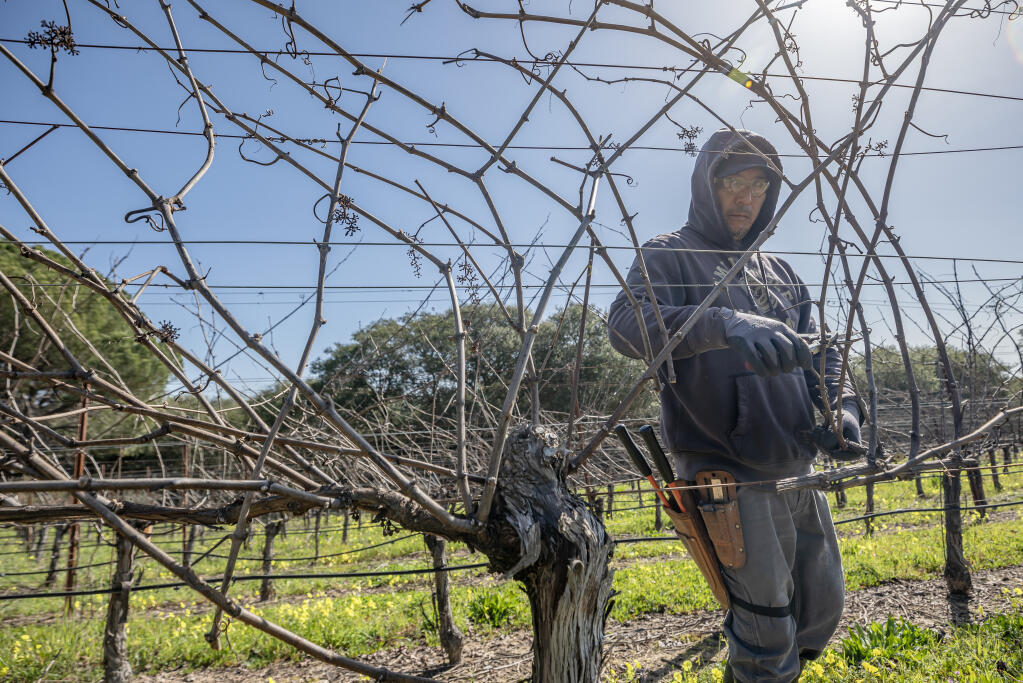
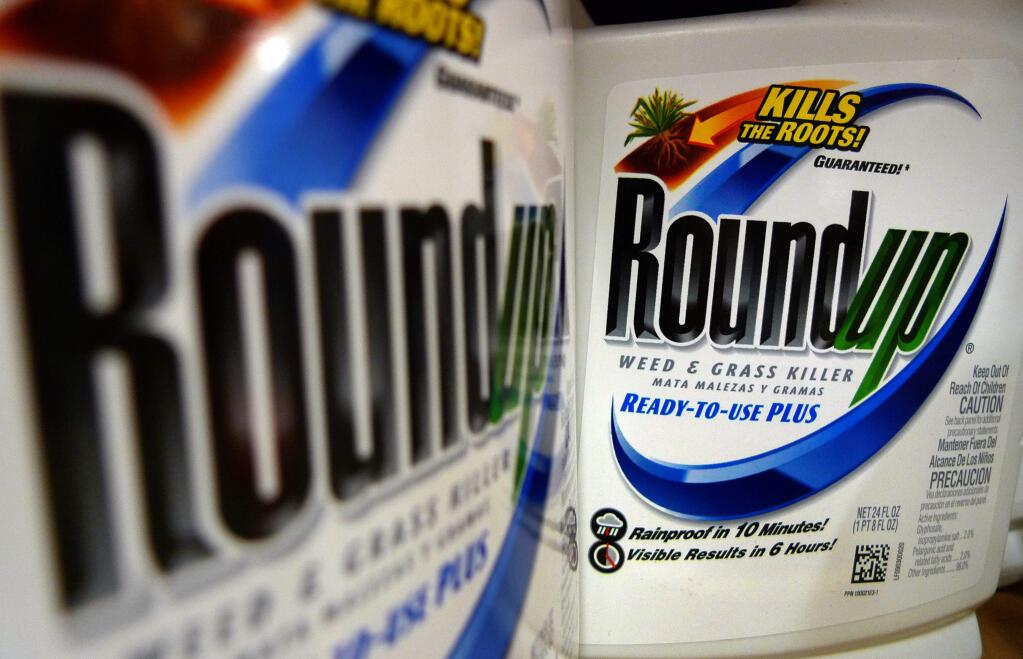
When Napa Green announced it would require its members to phase out the herbicide Roundup by 2026, some wondered if the move signaled broader wine industry change.
The announcement came last November from the Napa-based nonprofit, which provides sustainable winegrowing certification to vineyards in Napa Valley.
In California’s wine industry, Napa Green’s move to phase out Roundup (and glufosinate ammonium by 2028) was seen as a breakthrough.
While the California Certified Organic Farmers, Regenerative Organic Alliance and Demeter Biodynamic all prohibit Roundup across many areas of agriculture, Napa Green is the first sustainability certification designed specifically for U.S. vineyards to regulate the herbicide.
In Sonoma County and elsewhere in the state, most winegrowers adhere to the sustainability standards set by the California Sustainable Winegrowing Alliance, which awards “certified sustainable” status to those who qualify.
While the alliance limits the use of materials the California Department of Pesticide Regulation and/or U.S. Environmental Protection Agency have deemed “restricted,” they do not limit glyphosate use.
That’s made some question the organization’s definition of “certified sustainable.”
“There are no federal regulations for the term ‘sustainable,’ explained Nellie Praetzel, director of biodiversity at Enterprise Vineyards in Sonoma. “The Sonoma County Winegrowers boast that 99% of Sonoma County vineyards are certified sustainable, but most are still spraying glyphosate and glufosinate ammonium. I think that’s very misleading to consumers.”
What is Roundup?
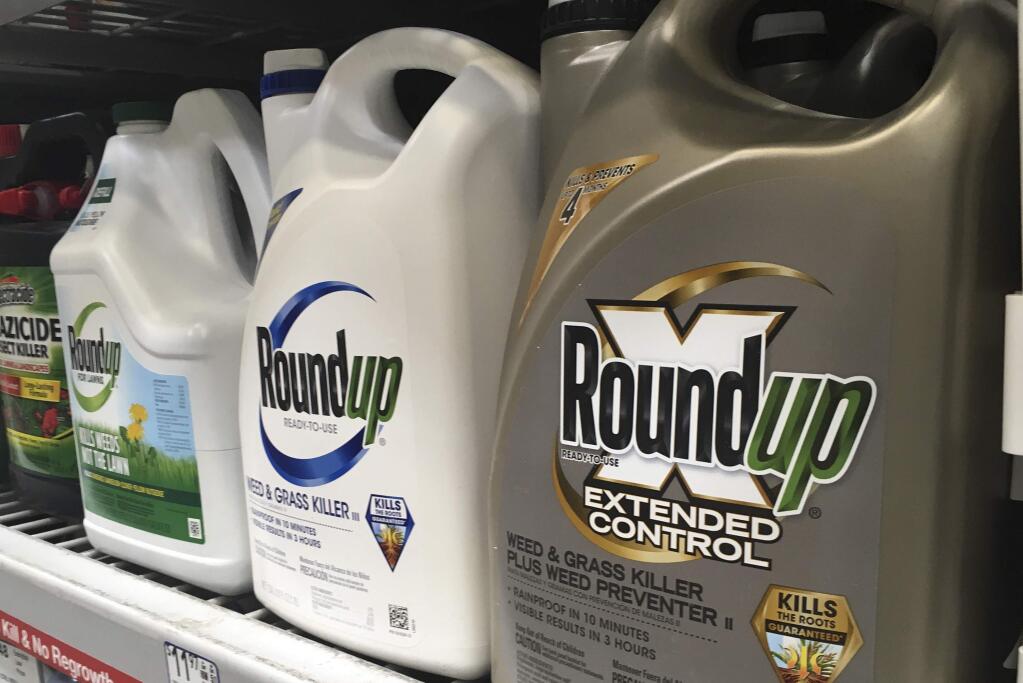
Developed for commercial use by Monsanto in the 1970s, glyphosate is a synthetic herbicide and the key ingredient in the weedkiller Roundup.
Today, it’s the most widely used herbicide in the U.S. and around the world, embraced by the agriculture industry as an effective, low-cost solution to weed control.
In recent years, Roundup and glyphosate have come under increased scrutiny about their effects on the environment and human health, including its potential link to non-Hodgkin’s lymphoma.
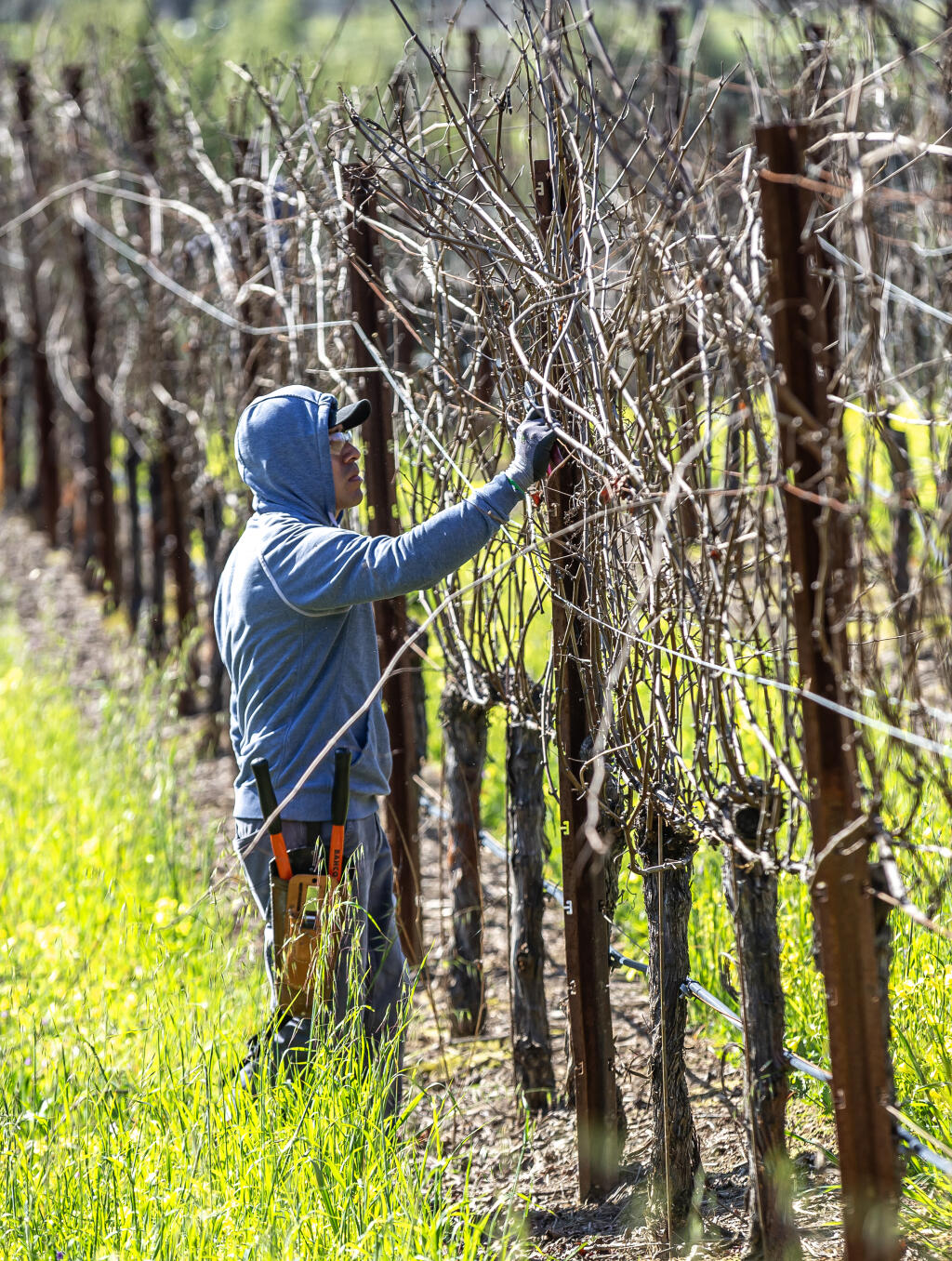
In the U.S. wine industry, many growers have used synthetic herbicides like Roundup to control weeds in the vineyard, which can compromise vine growth and grape yields by competing for nutrients, water and sunlight.
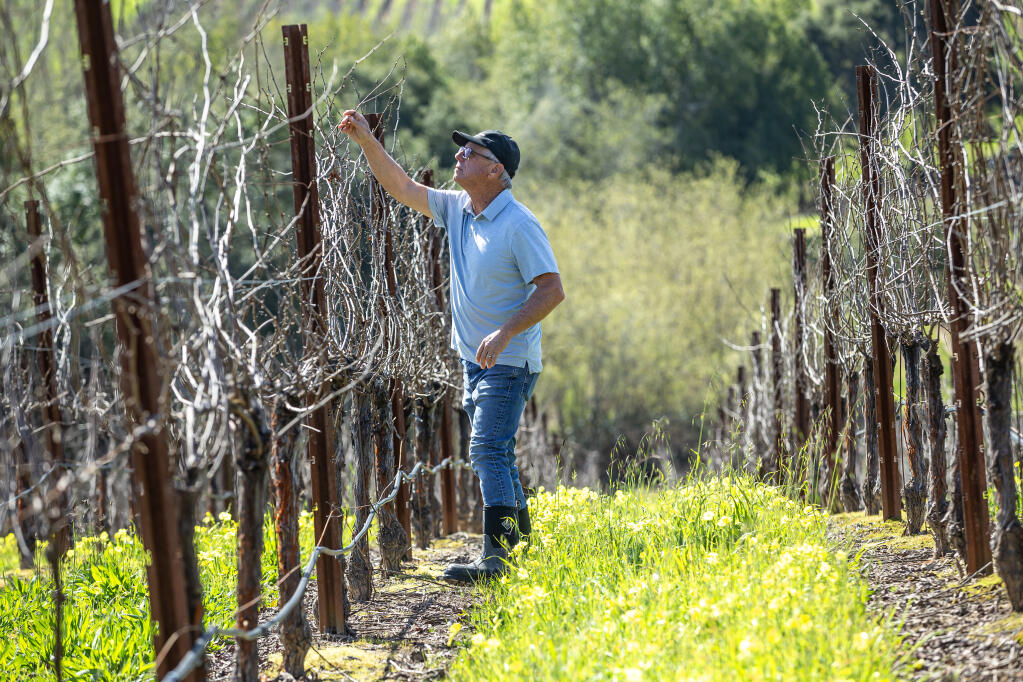
“Roundup is theoretically a great product because it’s systemic, so it kills everything it touches and destroys the roots so the weeds don’t come back,” said Jim Pratt, who manages about 350 acres of vineyards in Sonoma County through his company, Cornerstone Vineyards. “Personally, I don’t have a problem with Roundup, but the public really turned against it as a possible carcinogen. So we stopped using it a few years ago.”
In 2015, the World Health Organization’s International Agency for Research on Cancer cited “strong evidence” that glyphosate is “probably carcinogenic to humans.”
Despite the fierce, ongoing debate among scientists, the U.S. Environmental Protection Agency and the European Commission maintain glyphosate and Roundup are safe to use. So does Monsanto.
That’s persuaded the alliance and other organizations to continue to allow the use of Roundup.
“U. S. and international agencies continue to find that glyphosate is safe for use,” said Allison Jordan, executive director of the California Sustainable Winegrowing Alliance. “We rely on these and other experts to provide guidance based on the best available science.”
On home turf
According to the California Department of Pesticide Regulation, Sonoma County applied 56,847 pounds of glyphosate in 2022 overall, with 40,691 pounds used exclusively in the region’s 60,000 acres of wine grape vineyards.
“Since the Sonoma County Winegrowers began our pursuit to become the most sustainable winegrowing region in the world, more than 35,000 vineyard acres in Sonoma County were glyphosate-free by 2021,” said Karissa Kruse, president of the Sonoma County Winegrowers. “We see any additional resources and efforts to support growers — such as Napa Green’s newly announced commitment — as a positive step.”
In Napa County’s 43,000 vineyard acres, 22,561 pounds of glyphosate were applied in 2022. With Napa Green’s phase out of Roundup, at least 7,000 additional vineyard acres are anticipated to be glyphosate-free by 2026.
Herbicide alternatives
While both Sonoma and Napa counties have seen a decline in glyphosate use over the past decade, Napa Green reports a rise in alternative herbicides like Lifeline, which also have potential risks.
“Sometimes, a winery will switch to a different herbicide just so they can say they don’t use Roundup,” said Praetzel, the biodiversity director at Enterprise Vineyards. “What they don’t tell you is that they’ve switched to another pesticide like glufosinate, which is toxic to fish and aquatic invertebrates.”
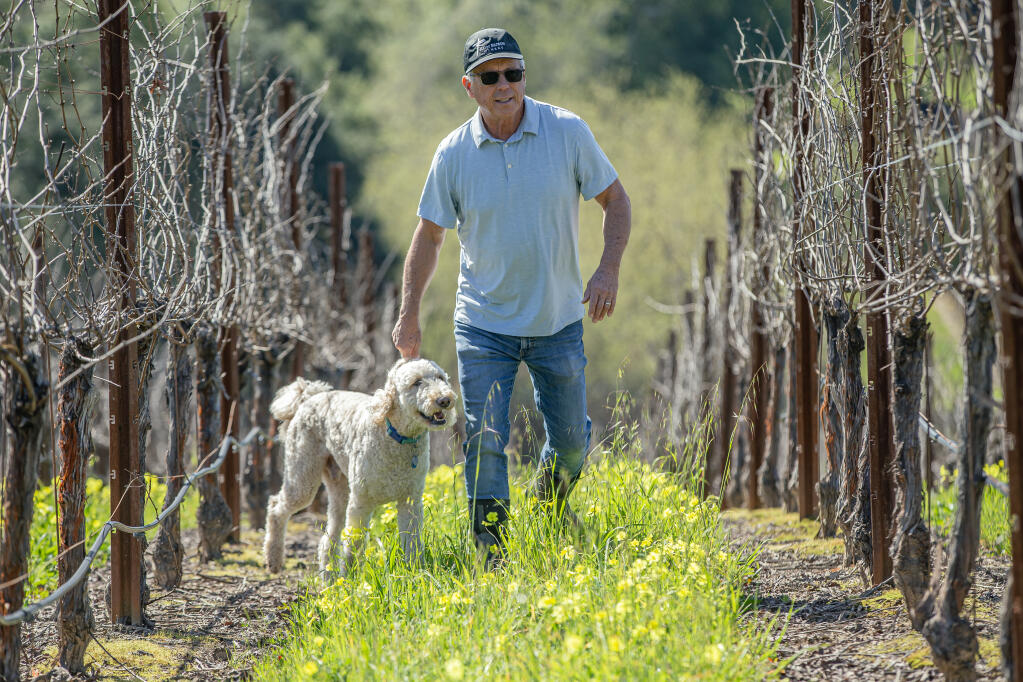
Enterprise Vineyards’ owner Phil Coturri, a longtime vintner and pioneer of organic farming in California, said “glyphosate and Roundup are easy targets because they’re in the news all the time.”
“There’s a long a list of other things farmers can use that are just as toxic and deadly,” he said.
Coturri, who farms about 700 certified-organic vineyard acres in Sonoma and Napa counties, does not support the sustainability certification offered by the California Sustainable Winegrowing Alliance.
“I don’t like that they allow Roundup and other steroid inhibitors, and I’ve figured out how to farm without them,” said Cotturi. “I refuse to support that certification. It has to start somewhere, and I think Napa Green is very brave for banning glyphosate.”
Coturri, who founded Enterprise Vineyards in 1979, said he’s known about organics since “before it was a buzzword.”
“There were a few times early in my career that I sprayed Roundup until it dawned on me that everything I was spraying was being washed into the San Francisco Bay watershed,” said Coturri. “That’s when I realized my actions could affect millions of people.”
Coturri acknowledged organic farming is more expensive than traditional farming, but he’s hopeful industrial technology will help farmers find new ways to be more cost-efficient. In the meantime, he’s willing to help others move in the right direction.
“Let’s share our knowledge, let’s work for the common good, and let’s set an example for the rest of the farming community,” said Coturri. “You’re not going to convince everyone. But through example you convert more people than you think.
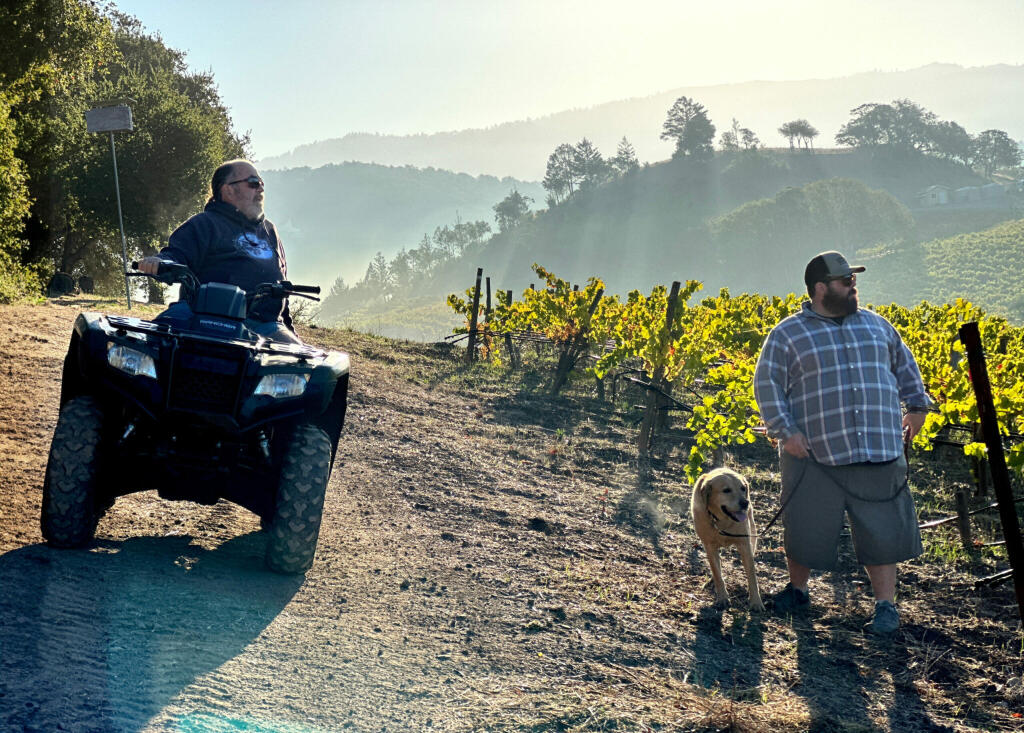
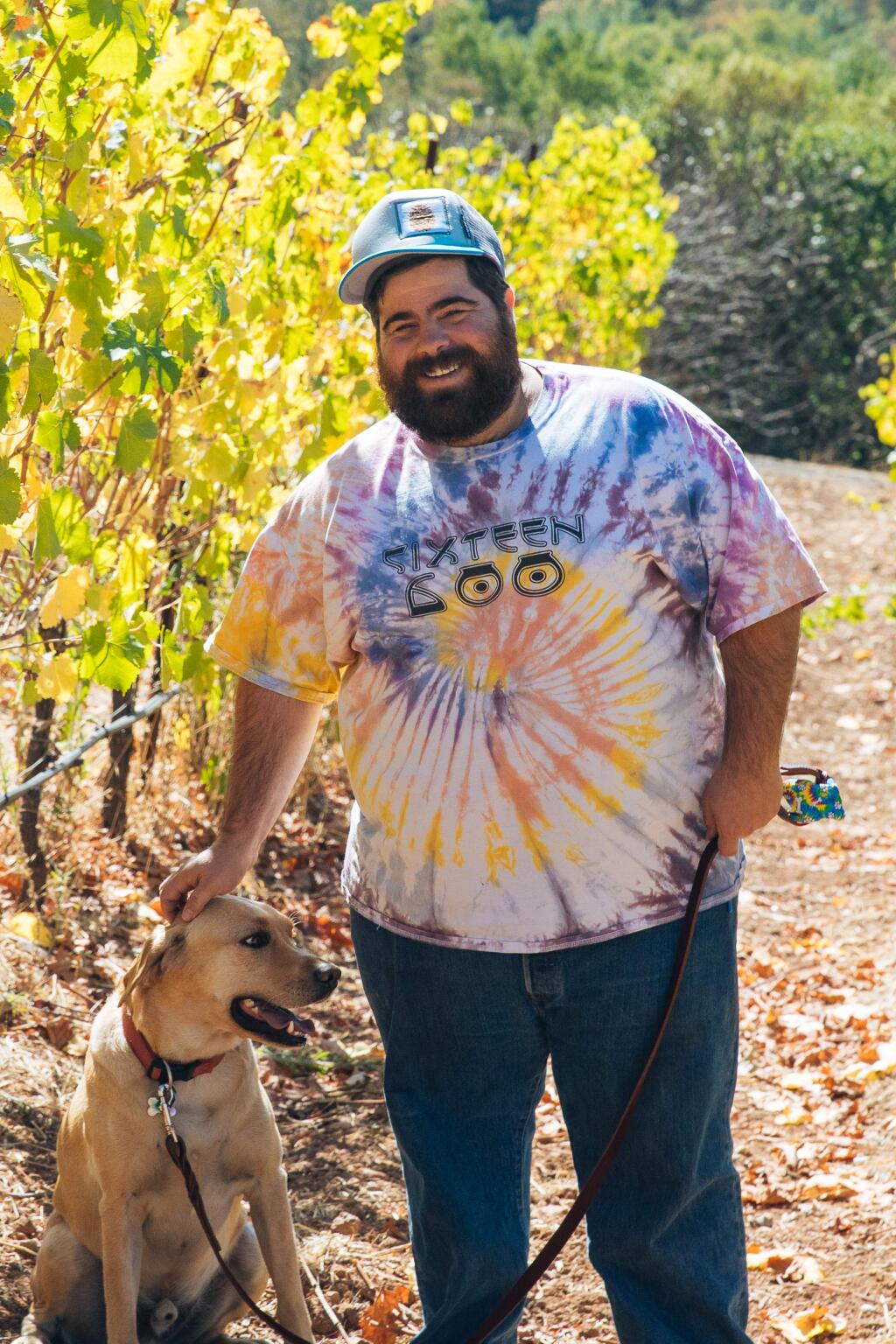
Sam Coturri, Phil’s son and winemaker at Winery Sixteen 600 in Sonoma, admits Roundup is one of his favorite topics to discuss.
“When we’re talking to customers or wine professionals, Roundup is a touchstone to bring people into the conversation about the importance of organic farming,” said Sam. “It’s important to talk about the difference it makes in the quality of life for vineyard workers and ultimately the finished wine.”
At the end of the day, Sam Coturri said it’s consumers who will drive demand for organic, sustainably farmed wines.
“Consumers are looking for products that are farmed responsibly,” said Sam. “The only way to get into their minds and pocketbooks is by showing them the word ‘sustainable’ isn’t just a word — there are real actions behind it.”
About Napa Green: The Napa Green 501c3 is a global leader in sustainable winegrowing, setting the highest bar for sustainability and climate action in the wine industry. Napa Green facilitates whole system soil to bottle certification for wineries and vineyards, and provides the expertise, boots-on-the-ground support, and resources to continually improve. Learn more at https://napagreen.org/participating-members/.
Anna Brittain
Napa Green
+1 805-636-3329
email us here
Visit us on social media:
Facebook
LinkedIn
Instagram
Join us on April 9, 2026 @charleskrugwinery to explore climate smart opportunities, sustainable glass, closures and more ways to green your supply chain.
We will share case studies, hear about climate-smart and alternative packaging, clarify what materials are truly recyclable, and identify new ways to divert more waste from the landfill.
With speakers from Verallia, @naturalcorkcouncil, @cork_supply, Treasury Wine Estates, @freeflowwines, @revinobottles, @keystonecapsules, Wine Industry Zero Waste Collective, @naparecycling and more!
➡️ ticket link in bio!
#winebusiness #wineindustry #supplychainmanagement

Discover four exceptional wineries united by a commitment to sustainability, community, and thoughtful hospitality.
These wineries are not only @napagreen certified but also @bcorporation certified, and through their “B Collaborative” partnership this month, they are offering a special tasting experience: wine club members receive two complimentary tastings, and non-members can enjoy a two-for-one tasting.
Learn More by visiting these wineries.
@artesawinery
@cliffamily
@spottswoodewinery
@troisnoixwine
#winetasting #visitnapavalley
Learn why Natalie Bath, Winemaker at @ruddestate considers @napagreen an important part of their commitment of land stewardship.
#SoilHealth #WomenInWine #RegenerativeViticulture
@napagreen has had a number of growers looking for organic solutions to dealing with nematodes where vines are planted. Our partners at @lallemandplantcareusa have an OMRI approved biological solution.
Learn more in this short video!
#soilhealth #vineyardmanagement #wineindustry
Join us March 17th @grgichhillsestate to connect with cover crop expert Keith Berns, with @greencoverseed, and experienced viticulturists, to leans how you can incorporate soil health practices in your vineyard!
➡️ Registration link in bio.
#soilhealth #regenerativevineyard #covercrop
What is biochar and why is it so cool?
Hear from @napa.char to learn more.
#climateaction #soilhealth #biochar
🐝 “If you build it, they will hum” - Erin Arnsteen, Western Program Coordinator @monarchjointventure
We are grateful for everyone who attended our Biodiversity in the Vineyard workshop last week! It was an amazing day @grgichhillsestate filled with bees, birds, butterflies, a community passionate about biodiversity, and experts providing resources for building biodiversity in YOUR vineyard.
#regenerativeag #biodiversity #worldwildlife #regenerativeviticulture
Join us in congratulating Megan Scott (@love.dream.breathe), our Operations Director, on 6 years at @napagreen. Megan’s positive attitude and “can do” approach to problem solving has greatly contributed to the success of Napa Green and our members.
Thanks for your work and dedication to sustainability!
📸 @brianamarieweddings
📍 @trefethenfamily
#womeninwine #womeninstem #climateaction
Thanks to the @naparegister for publishing this Climate Connection contribution from @napagreen’s Vineyard Program Director, Ben Mackie (@soilrainandhope) highlighting the biodiversity @grgichhillsestate.
If you loved this article, you’ll love our Birds, Bees & Butterflies: Biodiversity in the Vineyard workshop happening today!
#climateaction #regenerativeag #regenerativeviticulture
Friday night dinner dilemma?
Order takeout from @southsidenapa using promo code DONATE and 20% of your order will be donated to @napagreen.
It’s a win: win! You get dinner and @napagreen gets funding to contribute our impactful climate action work in Napa Valley.
Order online or preorder your Fried Chicken Friday pickup for February 27, 2026. Don’t forget to pair it with Napa Green certified wine! 🍽️ 🍷
#dineanddonate #nonprofit #napavalley
Join us Thursday, February 26 to learn about biodiversity in the vineyard.
🍇 Ivo Jeramaz, Winemaker & VP of Vineyards and Production at @grgichhillsestate, will welcome us to the beautiful property and illustrate the various implementation of habitat diversity they have undertaken at the American Canyon ranch.
🍇 Jo Ann Baumgartner & Sam Earnshaw from @wildfarmalliance will provide insight on how to maximize bird habitat and establish hedgerows to support the local ecology.
🍇 Erin Arnsteen from the @monarchjointventure will outline how pivotal vineyard acreage can be to support the dwindling Western Monarch populations.
🍇 Cori Carlson, owner of @napapastureprotein, will explain the ecological goals of grazing a vineyard.
🍇 Ruby Stahel from the @naparcd will join us to discuss the various resources that the RCD has to support habitat enhancement on Napa properties.
🍇 @soilrainandhope from @napagreen will talk about bees!
➡️ Ticket link in bio.
#biodiversity #regenerativeag #regenerativeviticulture
Learn about the herd of cattle calmly grazing the vineyards @ruddestate, contributing to soil health and biodiversity, in our latest post from @soilrainandhope.
➡️ Link in bio.
#climateaction #regenerativeag #regnerativeviticulture #soilhealth
Thanks to @naparegister and @kcuz for this great article about the @regenerativeviticulture and @napagreen #OneBlockChallenge field day @celaniwines.
We had a great time engaging with attendees about opportunities to implement regenerative practices in their vineyards!
If you’re regenerative curious or want to learn more head to the link in our bio!
#climateaction #regenerativeviticulture
Congratulations on @napagreen Vineyard Certification to @shadybrookestatewinery!
Nestled in the picturesque heart of Coombsville, Shadybrook Estate, has shown a deep commitment to regenerative viticulture and climate action. Visit to see the natural beauty of this hidden gem.
#climateaction #regenerativeviticulture #napagreen
We love the biodiversity in this @grgichhillsestate American Canyon Vineyard!
Come learn how to integrate biodiversity in your vineyard on February 26 at this workshop with @napagreen, @grgichhillsestate, @wildfarmalliance, @monarchjointventure, @napapastureprotein and @naparcd.
➡️ Ticket link in bio.
#Biodiversity #RegenerativeAg #RegenerativeViticulture
Congratulations to @rutherfordhillwinery on achieving @napagreen Winery Recertification!
At Rutherford Hill Winery, sustainability is apparent in all of their practices. The facility is 100% solar-powered and even contributes clean energy back to the local grid. Additionally, they prioritize natural solutions, like Owl Boxes and organic farming.
Visit to experience for yourself these exceptional wines that invest in our planet’s future.
#climateaction #winetasting #sustainablewine